10 Fast Charging Myths Debunked: What You Need to Know
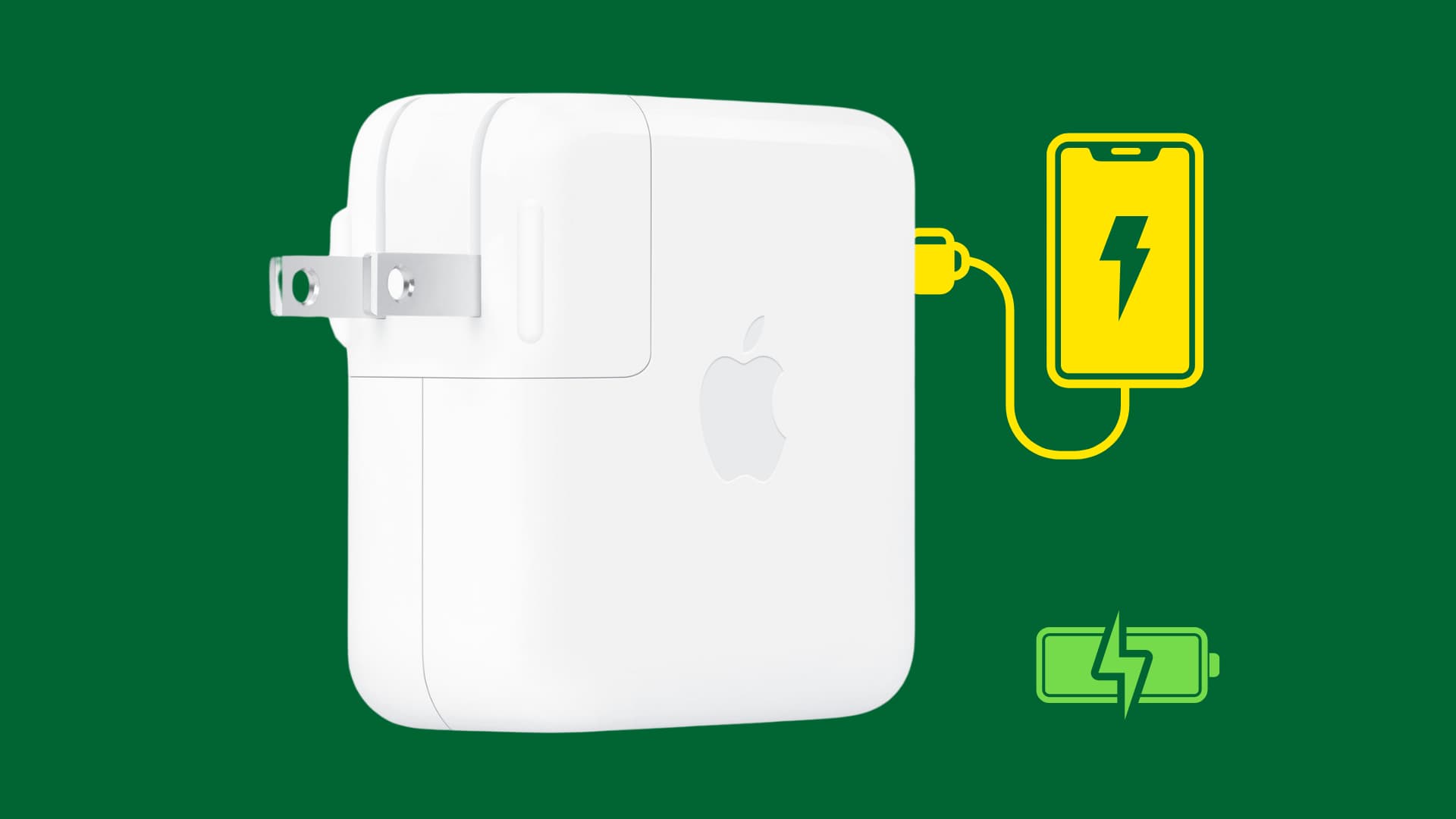
Fast charging has transformed the way we power our devices, but it also comes with a host of myths that can mislead consumers. One common misconception is that using a fast charger will damage your battery. In reality, modern smartphones and electric vehicles are designed with advanced charging technology that regulates power flow, ensuring that your device charges efficiently without overheating. As a result, you can safely utilize fast charging without worrying about battery longevity.
Another prevalent myth is that fast charging will significantly shorten your device's lifespan. However, most studies show that the quality of the battery and how you maintain it plays a more crucial role than the charging speed. Moreover, manufacturers have incorporated features like software controls to minimize wear on batteries during fast charging. To debunk this myth, remember that proper care, including avoiding extreme temperatures and not letting your battery drain completely, is what truly matters for battery health.
Counter-Strike is a highly popular first-person shooter video game series that emphasizes team-based gameplay and strategy. Players can choose to be part of terrorist or counter-terrorist teams, engaging in various objectives such as bomb planting or hostage rescue. For those looking to keep their devices charged during intense gaming sessions, check out the Top 10 iphone charging cables to ensure uninterrupted playtime.
Fast Charging vs. Standard Charging: Which is Right for You?
When it comes to charging your devices, understanding the difference between fast charging and standard charging is essential for optimizing your time and device performance. Fast charging utilizes higher voltage and current to boost the speed at which your device charges, often allowing you to reach a significant charge level in a fraction of the time. Many modern smartphones, tablets, and laptops support this technology, which means you can get back to using your device sooner, without the hassle of long charging periods. However, it’s important to ensure that your charger, cable, and device are all compatible with fast charging to reap its benefits.
On the other hand, standard charging, which typically operates at lower power levels, is gentler on your device's battery and can extend its overall lifespan. This method is often more suitable for overnight charging or when you have more time to spare. Additionally, many users might prefer standard charging for devices that don't require a quick charge or for older devices that may not support the faster technology. Ultimately, the choice between fast charging and standard charging largely depends on your personal needs and charging habits. Assessing your daily routine can help you determine which option is right for you.
How Fast Charging Technology Works: A Simple Guide
Fast charging technology is revolutionizing the way we power our devices, from smartphones to electric vehicles. At its core, fast charging involves increased voltage and current to rapidly replenish a device's battery. Traditional charging typically provides a standard voltage of 5V and limited current, which can take several hours to achieve a full charge. In contrast, fast charging methods, such as Qualcomm's Quick Charge or USB Power Delivery, utilize higher voltage levels—often up to 20V—and enhanced current delivery, significantly speeding up the charging process. This means that many devices can achieve up to 50% charge in just 30 minutes, making it a game changer for users on the go.
Fast charging operates on two primary components: the charger and the device's battery management system. Smart chargers communicate with the device to determine the optimal charging requirements, adjusting voltage and current as needed to avoid overheating and prolong battery life. For example, many modern smartphone batteries can handle different charging speeds depending on their current state of charge. When the battery is low, charge is delivered at a higher rate, but as it approaches full capacity, the charger intelligently reduces the current to prevent damage. Understanding this technology not only helps users choose compatible chargers but also ensures they can take full advantage of the benefits of fast charging without compromising their devices' health.