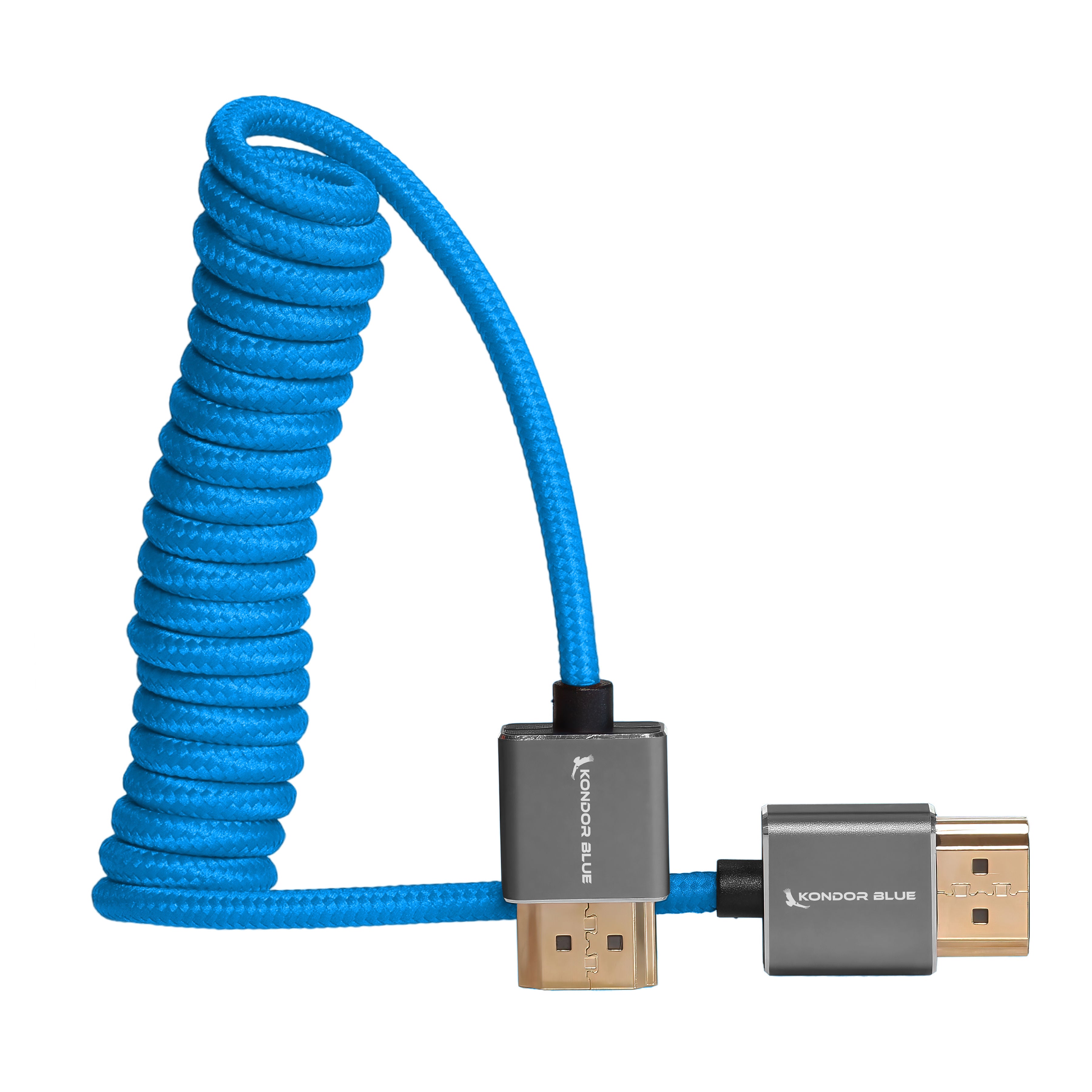
How to Choose the Right HDMI Cable for Your Home Theater Setup
Choosing the right HDMI cable for your home theater setup is crucial to achieving optimal audio and video quality. With many options available, it's important to consider factors such as bandwidth capabilities, length, and features. First, check the specifications of your devices; for instance, devices supporting 4K resolution may require cables that support HDMI 2.0 or higher. This ensures that you can transmit high-definition signals without degradation. Additionally, look for cables with a high bandwidth rating (18 Gbps or more) to ensure smooth playback of 4K video and high dynamic range (HDR) content.
Next, evaluate the length of the HDMI cable you need. While longer cables can make installation easier, they can also impact signal quality. If you’re running cable distances over 25 feet, consider using an active HDMI cable or an HDMI over Ethernet solution to maintain signal integrity. Finally, pay attention to build quality; cables with gold-plated connectors and durable insulation can provide better performance and longevity. By taking these factors into account, you'll be better equipped to select the perfect HDMI cable for your home theater and enjoy an immersive entertainment experience.
Counter-Strike is a popular first-person shooter game that emphasizes teamwork, strategy, and skill. Players engage in intense matches where they can choose to be part of either the terrorist or counter-terrorist team. For gamers looking to enhance their experience, check out the Top 10 apple tv accessories that can elevate the way you play.
The Science Behind HDMI Cables: Why Quality Matters for Streaming
HDMI cables have become the backbone of modern audio and video transmission, especially in the realm of streaming. Understanding the science behind HDMI cables reveals why investing in a high-quality option can greatly enhance your viewing experience. At their core, HDMI cables carry digital signals, which means they transmit data as binary information—ones and zeros. The quality of these cables affects how effectively this data is sent to your devices, influencing everything from resolution and refresh rates to sound clarity. Poor quality cables may lead to interference, resulting in signal degradation, compression artifacts, or even complete loss of signal.
In addition to delivering a sharp picture and impeccable sound, quality HDMI cables are designed to handle higher bandwidths and support the latest standards in video technology, such as 4K, HDR, and even 8K resolution. Cables that meet these standards ensure that you are not only prepared for current streaming services but also for future advancements in technology. For those serious about their home entertainment setup, considering the importance of HDMI cable quality should be a priority. Investing in a reliable HDMI cable can prevent headaches while streaming, enabling you to enjoy your favorite movies and shows without interruptions or technical issues.
Common HDMI Cable Issues and How to Troubleshoot Them
HDMI cables are essential for connecting various devices, but they can encounter a range of issues that may disrupt your viewing experience. One common problem is intermittent signal loss, where the picture and sound may cut in and out unexpectedly. This could be due to a damaged or low-quality cable, or a loose connection. To troubleshoot this, start by ensuring that both ends of the HDMI cable are securely connected. If the issue persists, try using a different HDMI port on your device or replacing the cable with a higher quality option to see if that resolves the problem.
Another frequent issue is the no signal error, often displayed when the connected device fails to send data to the display. This can occur if the HDMI source device is powered off or in sleep mode. To fix this, make sure all devices are powered on and check that the correct input source is selected on your TV or monitor. Additionally, updating the device firmware and ensuring the HDMI cable is not damaged can help solve this issue. If you’ve verified everything and the problem persists, testing the HDMI cable with another device or trying a different HDMI cable altogether may pinpoint the cause.