What is RFID Technology and How Does It Affect Your Privacy?
RFID technology, or Radio-Frequency Identification, is a wireless communication system that uses electromagnetic fields to transfer data between a reader and a tag attached to an object. This technology enables automatic identification and tracking of items, people, and even animals. RFID tags, which can be passive (powered by the reader's signal) or active (with their own power source), have become increasingly popular in various industries, from retail inventory management to supply chain logistics. The efficiency and convenience offered by RFID systems streamline processes, but they also raise important questions about privacy and data security.
The impact of RFID on privacy is significant, as these devices can collect and transmit data without the consent or knowledge of the individuals involved. For example, RFID tags embedded in products can track consumer behavior and purchasing patterns, leading to potential misuse of personal information. Furthermore, if RFID-enabled items are not adequately protected, unauthorized readers can easily access the data stored on these tags. As such, understanding the risks associated with RFID technology is crucial for individuals and organizations alike. To mitigate privacy concerns, it is essential to implement security measures and stay informed about the evolving landscape of RFID and data protection practices.
Counter-Strike is a highly popular first-person shooter game that emphasizes teamwork and strategy. Players choose to be part of either the terrorist or counter-terrorist team, each with unique objectives. In addition to gaming, gamers often look for gear to enhance their experience, such as the Top 10 iPhone wallet cases for mobile convenience and protection during intense gaming sessions.
Top Signs That Your Wallet May Be Vulnerable to RFID Theft
In today's digital age, RFID theft has become a growing concern for many individuals. The first sign that your wallet may be vulnerable to such theft is the presence of an unprotected RFID chip in your cards. Most credit and debit cards now come equipped with RFID technology, which allows for contactless transactions. If your wallet is not equipped with an RFID-blocking feature, it could be an easy target for thieves with handheld scanners. Additionally, if you notice that your cards are often getting scanned without your knowledge, this is a clear indication that your wallet is lacking proper protection.
Another important sign to watch out for is the craftsmanship of your wallet. If your wallet is made from cheap materials and lacks proper stitching or protection between the compartments, it may not effectively shield your cards from rogue scanners. Look for wallets specifically designed with RFID-blocking technology, as they usually have a special lining that prevents unauthorized access. If you frequently travel or live in a highly populated area where RFID theft is more common, investing in a quality RFID-protected wallet is highly recommended.
How RFID Blocking Wallets Work: A Deep Dive into Your Best Defense
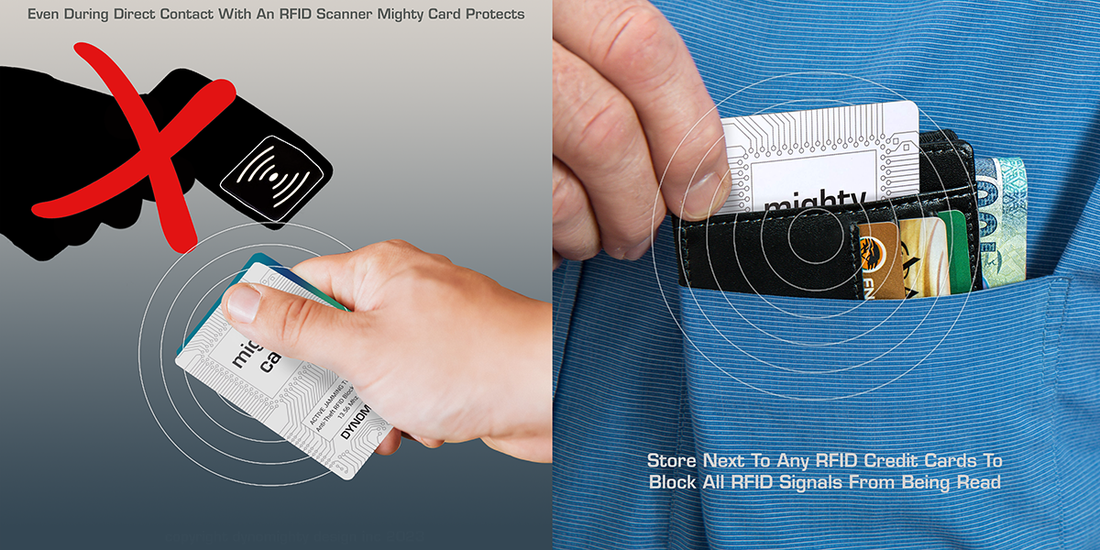
RFID (Radio Frequency Identification) technology has revolutionized the way we store and share information, particularly in the realm of contactless payment methods and identification cards. However, this convenience comes with risks, as hackers can easily access sensitive information stored on RFID chips using handheld readers. This is where RFID blocking wallets come into play. These wallets are equipped with specialized materials that create an electromagnetic shield, effectively blocking the RFID signals that would typically transmit your data. By incorporating metal, a conductive material, or other shielding technology within their design, RFID blocking wallets prevent unauthorized access and keep your personal details secure.
When searching for an effective RFID blocking wallet, it is essential to consider several factors. First, ensure that the wallet is made from quality materials that have been tested for RFID protection. Look for items that state their shielding capabilities, often measured in megahertz (MHz), to understand their effectiveness against various RFID frequencies. Additionally, a well-designed wallet should not only provide security but also offer functionality and style. Many brands now provide RFID blocking wallets in various designs, merging fashion with security, so you can confidently carry your essentials while safeguarding your information.