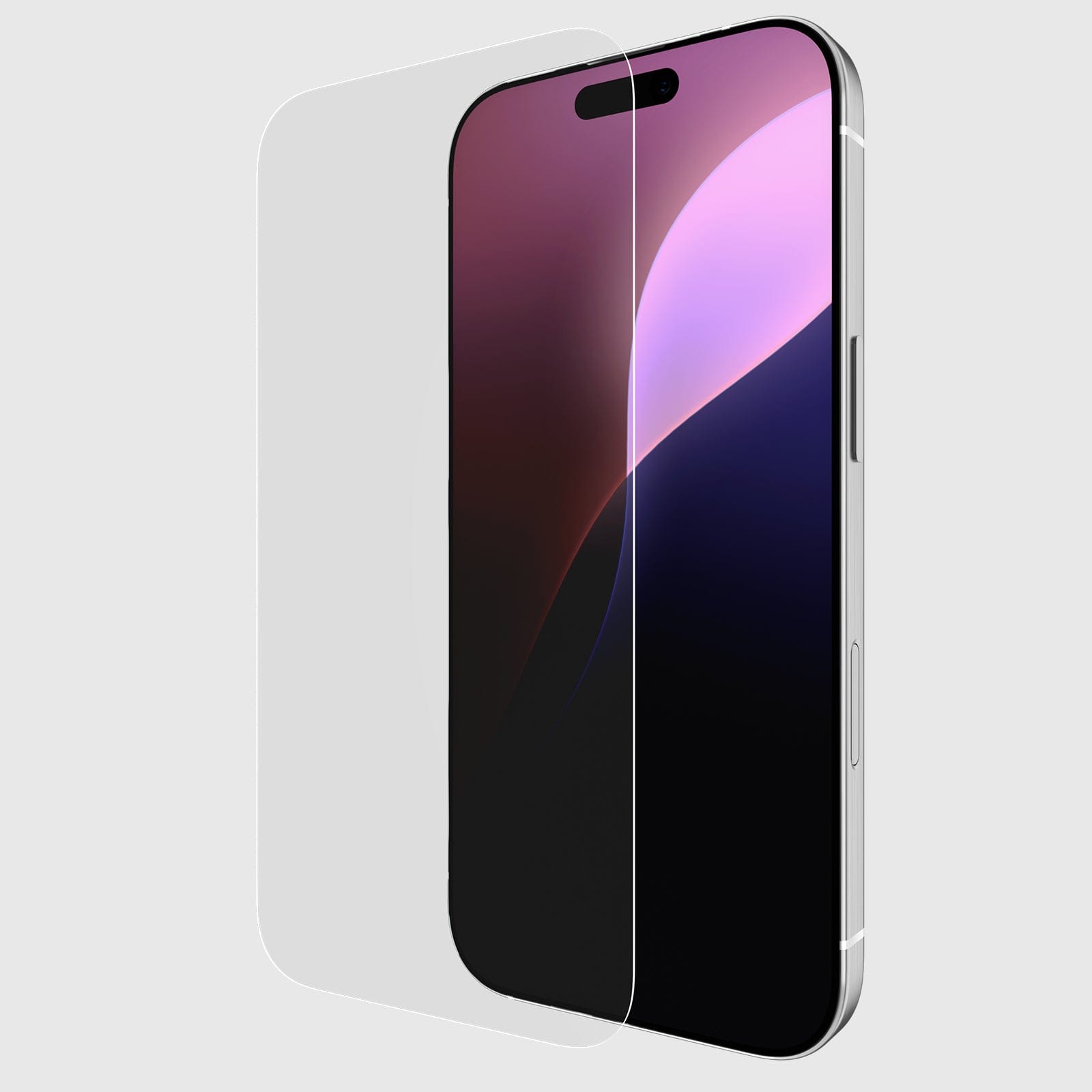
10 Reasons Why You Need a Screen Protector for Your Device
In today's digital age, our devices are an integral part of our daily lives, making it crucial to protect them from damage. Here are 10 reasons why you need a screen protector for your device:
- Scratch Protection: A screen protector significantly reduces the risk of scratches from keys, coins, and other sharp objects.
- Impact Resistance: In the event of accidental drops, a good screen protector absorbs shock and minimizes the chances of cracked screens.
- Easy to Clean: Many screen protectors come with a hydrophobic layer that repels water and oil, making them easier to clean.
Furthermore, using a screen protector extends the longevity of your device. Here are additional benefits to consider:
- Cost-Effective: Investing in a screen protector is much cheaper than replacing an entire screen or device.
- Improved Resale Value: Devices that appear newer and without scratches can fetch a higher price when it comes time to sell or trade-in.
- Decreased Glare: Many screen protectors offer anti-glare properties that help improve visibility in bright light.
- Personalization: With various designs available, screen protectors allow you to customize the appearance of your device while maintaining its functionality.
Counter-Strike is a popular multiplayer first-person shooter that pits two teams against each other: terrorists and counter-terrorists. Players work together to complete objectives such as bomb defusal or hostage rescue, showcasing teamwork and strategic thinking. For those looking to enhance their gaming experience on the go, check out the Top 10 iphone air accessories that can elevate your mobile gameplay.
How to Choose the Right Screen Protector: A Comprehensive Guide
Choosing the right screen protector for your device can feel overwhelming, given the multitude of options available on the market today. To effectively navigate this selection process, consider key factors such as the type of screen protector, its material, and the level of protection it offers. Start by deciding whether you want a tempered glass or a film protector. Tempered glass protectors typically provide superior protection against drops and scratches, while film protectors are often thinner and more flexible, making them less noticeable on the screen. Additionally, check compatibility with your device model to ensure a proper fit.
Once you have identified the right type, evaluate the features that come with it. Look for options that offer anti-glare or blue light filtering capabilities if you frequently use your device in bright conditions or at night. Don't forget to read customer reviews and seek recommendations to gauge the effectiveness of the screen protector you intend to purchase. Finally, consider factors such as ease of installation and warranty, as these can greatly influence your overall experience. By following these guidelines, you'll be better equipped to choose a screen protector that not only safeguards your device but also enhances your user experience.
Are All Screen Protectors Created Equal? Exploring the Differences
When it comes to protecting your device's screen, many consumers assume that all screen protectors serve the same purpose. However, not all screen protectors are created equal. There are several types available on the market, including plastic film, tempered glass, and liquid screen protectors. Each type offers different levels of protection, clarity, and ease of installation. For instance, tempered glass protectors typically provide superior defense against drops and scratches, while plastic films may be less effective but offer a more affordable option for everyday users.
Furthermore, important differences extend beyond the material to factors such as application methods, durability, and features. Many tempered glass protectors come with additional features, such as anti-glare coatings and oleophobic properties, which repel fingerprints and smudges. Additionally, the thickness of the screen protector can affect touch sensitivity; a thicker protector might provide better protection but could hinder the overall user experience. Therefore, understanding these nuances is crucial when selecting the right screen protector for your needs.