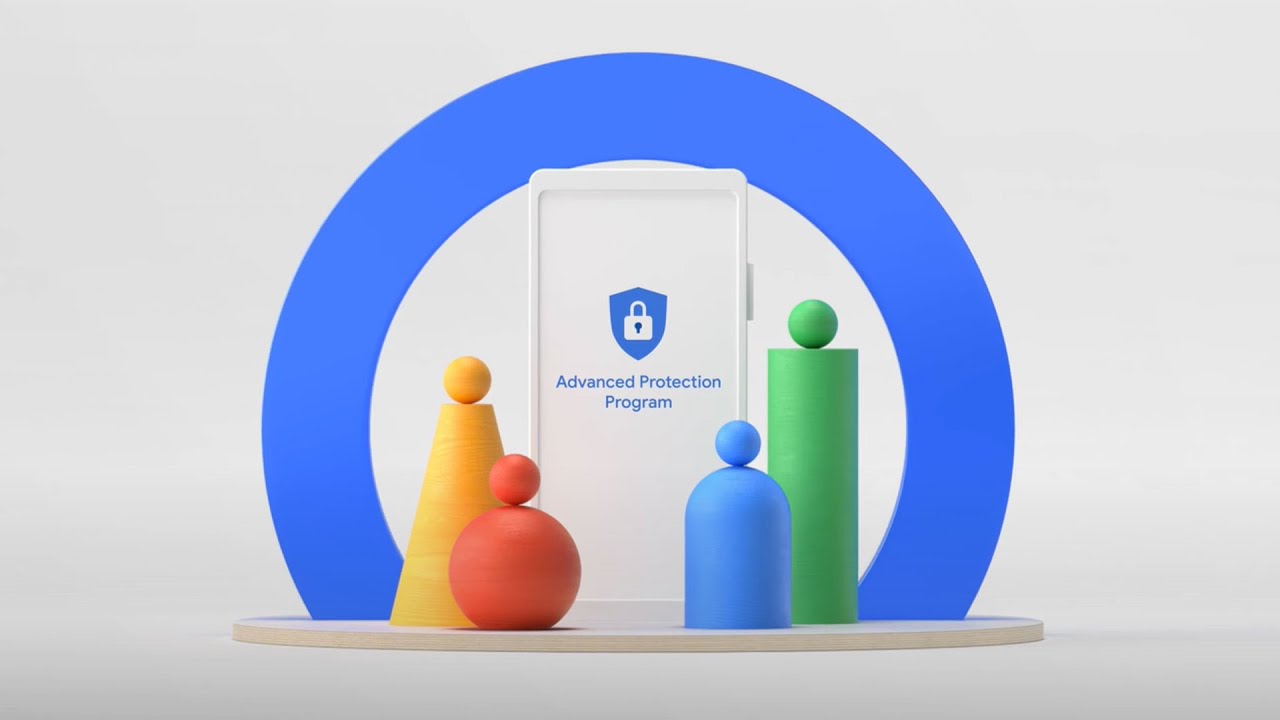
5 Everyday Habits to Shield Yourself from Stress
In our fast-paced lives, managing stress is essential for overall well-being. Here are 5 everyday habits that can help you shield yourself from stress effectively:
- Practice Mindfulness: Take a few moments each day to engage in mindfulness activities such as meditation or deep breathing exercises. These practices can ground you, allowing you to focus on the present moment and reduce stress levels.
- Stay Active: Regular physical activity releases endorphins, which are natural stress relievers. Aim for at least 30 minutes of exercise each day, whether it’s a brisk walk, yoga, or a workout session.
- Prioritize Sleep: Quality sleep is crucial for emotional resilience. Establish a relaxing bedtime routine, aiming for 7-9 hours of sleep each night to help your body heal and recharge.
- Maintain Social Connections: Surrounding yourself with a supportive network can act as a protective barrier against stress. Make an effort to connect with friends and family regularly.
- Practice Gratitude: Take a moment each day to reflect on the things you are thankful for. Keeping a gratitude journal can shift your focus from stressors to positive aspects of your life.
Counter-Strike is a highly popular team-based first-person shooter video game that has gained a massive following since its inception in the late 1990s. Players engage in various objective-based scenarios, typically involving terrorists and counter-terrorists. For gamers looking to enhance their gaming setup, it's essential to find the right gear, and you can check out the Top 10 Lightweight Slim iPad Cases to protect your devices.
Creative Strategies for Personal Safety: Protecting Yourself in Any Situation
In today's world, prioritizing personal safety is more important than ever. Creative strategies can significantly enhance your ability to protect yourself in various situations. One effective approach is to adopt a proactive mindset, which includes being aware of your surroundings and recognizing potential threats before they escalate. To further improve your safety, consider these key practices:
- Maintain a safe distance from strangers in public places.
- Use technology wisely; share your location with trusted friends.
- Develop self-defense skills through classes that focus on practical techniques.
Another innovative way to enhance your personal safety is by leveraging everyday items as tools for protection. For example, a simple keychain can double as a self-defense tool, while a flashlight can be used to disorient an attacker in low-light situations. Additionally, having an emergency whistle can attract attention and help you escape from a dangerous environment. Here are some creative items you can carry with you:
- A personal alarm that emits a loud sound to deter assailants.
- Self-defense keychains or tactical pens that can be concealed easily.
- Mobile apps designed for safety that can alert friends or emergency services with just a tap.
How to Build a Personal Safety Plan: Tips and Tactics for Everyday Scenarios
Creating a personal safety plan is crucial for navigating everyday scenarios, ensuring your well-being in various situations. Start by assessing your environment and identifying potential risks. Consider factors like your daily routines, the locations you frequent, and any specific threats you might face. Once you're aware of these elements, you can strategize effectively. Tips for building your plan include:
- Identifying safe places in your area, like police stations or community centers.
- Establishing a support network of trusted friends or family members.
- Creating a communication plan that outlines how to reach these contacts in case of an emergency.
Once you have a basic structure, refine your personal safety plan by preparing for specific situations. For instance, if walking alone at night is part of your routine, consider carrying a personal alarm or pepper spray. Additionally, familiarize yourself with self-defense techniques that empower you in case of a confrontation. Regularly review and practice your plan by role-playing different scenarios with friends or family. Remember, the ultimate goal is to enhance your confidence and awareness. Tactics like staying alert, trusting your instincts, and minimizing distractions while navigating public spaces can significantly reduce your risk of encountering danger.