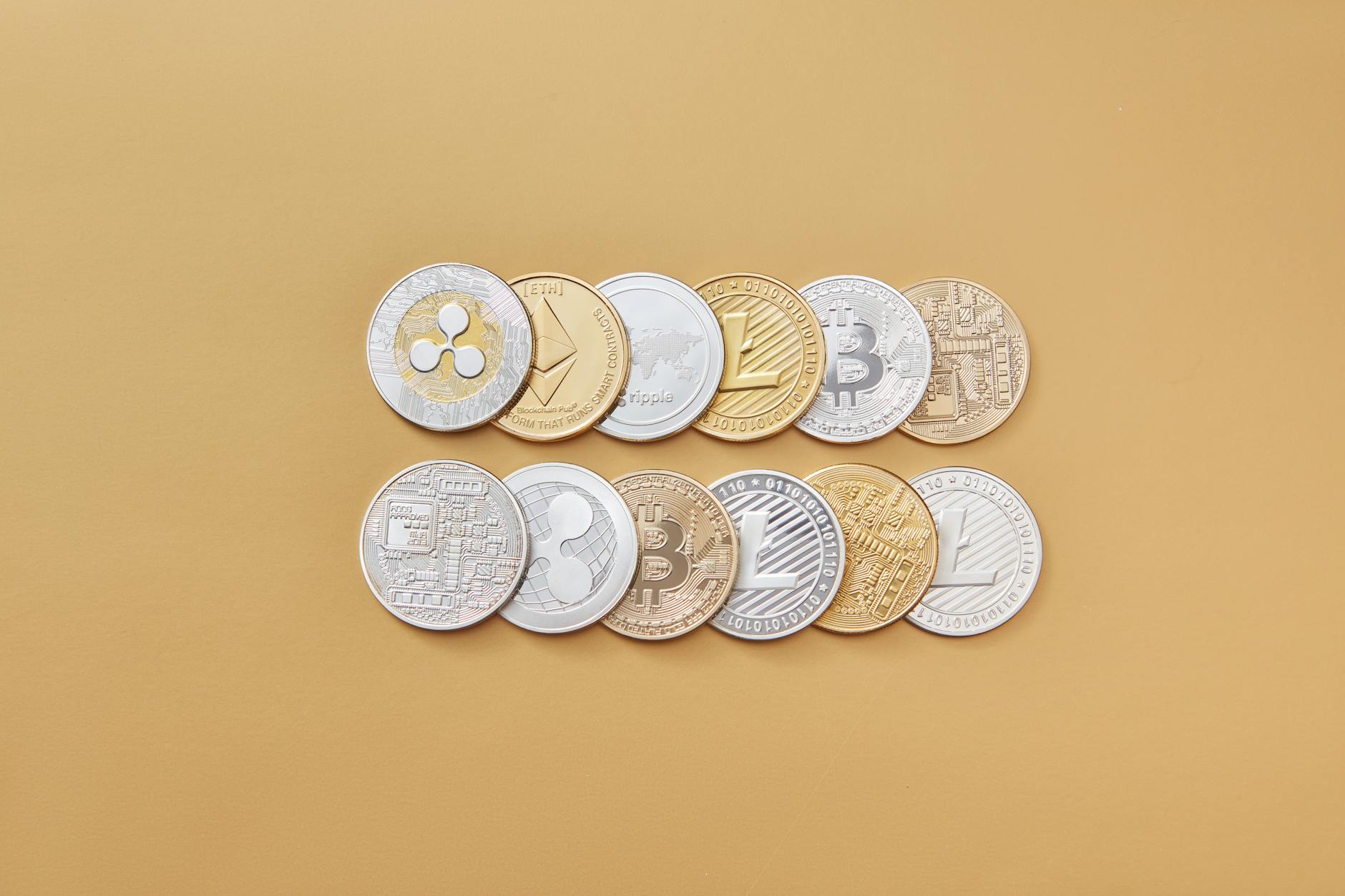
From Fiat to Fortune: Understanding Your Crypto Deposit Options
Navigating the world of cryptocurrency often begins with a fundamental step: converting your traditional fiat currency into digital assets. This initial gateway, moving "From Fiat to Fortune", presents a variety of deposit options, each with its own advantages and considerations. Understanding these methods is crucial for a smooth and secure entry into the crypto market. While some options offer instant gratification, others prioritize lower fees or higher security. Your choice will largely depend on your personal preferences, the urgency of your transaction, and the specific exchange you're using. Taking the time to explore these avenues will not only optimize your initial investment but also lay a strong foundation for your crypto journey.
See also: Cryptocurrency - Wikipedia — For a foundational understanding of cryptocurrencies themselves, essential for any crypto casino guide.
The most common crypto deposit methods include bank transfers, credit/debit card purchases, and peer-to-peer (P2P) transactions. Bank transfers, often facilitated via ACH or SEPA, are generally the most cost-effective for larger sums, though they can take several business days to clear. Credit and debit cards, while offering instant deposits, typically come with higher fees due to the associated processing costs and exchange rate margins. For those seeking more privacy or dealing with localized payment methods, P2P platforms connect buyers and sellers directly, allowing for a broader range of payment options like mobile pay or cash deposits. Each method has its own set of pros and cons, and it's essential to weigh them against your priorities.
"The bridge between traditional finance and the decentralized world is built on robust and accessible deposit options. The easier it is for individuals to convert their hard-earned fiat into crypto, the faster mass adoption will become a reality."
Beyond these primary methods, some platforms also support alternative options like e-wallets (e.g., PayPal, Skrill) or even gift card conversions, though these are less ubiquitous and often come with specific limitations or higher fees. When selecting your deposit method, always prioritize security. Ensure the exchange is reputable and that you understand any associated fees, limits, and processing times. Double-check recipient addresses for crypto deposits, as irreversible errors can lead to permanent loss of funds. By carefully considering all available options, you can confidently convert your fiat into your chosen cryptocurrencies and embark on your journey towards financial innovation.
Beyond the Basics: Pro Tips for Faster, Safer Crypto Deposits
Once you've mastered the fundamentals of crypto deposits, it's time to elevate your strategy. A crucial pro tip involves diversifying your deposit methods. Instead of relying solely on one exchange or fiat on-ramp, explore alternatives like peer-to-peer (P2P) platforms or direct bank transfers offered by specialized crypto services. P2P platforms often provide better exchange rates and lower fees, while direct transfers can sometimes bypass the common transaction limits imposed by credit card processors. Always verify the legitimacy and reputation of any new service before committing significant funds. Furthermore, consider using a hardware wallet for storing larger sums, as transferring directly from your hardware wallet to an exchange for a deposit significantly enhances security compared to keeping assets on an exchange's hot wallet.
For faster transactions, especially during periods of network congestion, understanding and adjusting your gas fees (for Ethereum-based tokens) or transaction fees (for Bitcoin and other cryptocurrencies) is paramount.
While paying a higher fee might seem counterintuitive, it ensures your transaction is prioritized by miners, leading to quicker confirmations.Utilize real-time gas trackers and network fee estimators, readily available online, to gauge optimal fee levels. Overpaying excessively is wasteful, but underpaying can leave your transaction stuck in a pending state for hours or even days. Additionally, familiarize yourself with different blockchain networks. For instance, using Binance Smart Chain (BSC) or Polygon for certain tokens can offer significantly faster and cheaper transactions compared to the often-congested Ethereum network, if the receiving platform supports them.
See also: U.S. Securities and Exchange Commission (SEC) Press Releases — To emphasize the regulatory landscape and potential risks associated with crypto, even if not directly about casinos.
Security is paramount when dealing with crypto deposits, and proactive measures can prevent costly mistakes. Always double-check the recipient address multiple times before finalizing any transaction. Even a single incorrect character can result in irreversible loss of funds. Consider using a small test transaction with a minimal amount before sending a larger sum, especially when depositing to a new address or platform for the first time. Implement strong, unique passwords for all your crypto accounts and enable two-factor authentication (2FA) using an authenticator app, not SMS. Be wary of phishing scams; legitimate exchanges will never ask for your private keys or seed phrase. Regularly review your transaction history and account activity for any suspicious behavior. A robust security posture is your best defense in the volatile world of cryptocurrency.
"Where's My Money?" Common Deposit Issues & How to Troubleshoot Them
The agonizing wait for a deposit to clear can feel like an eternity, especially when you're counting on those funds. One of the most frequent culprits behind delayed or missing deposits is incorrect account information. This often stems from a simple typo in the account number or routing number during a transfer. Another common scenario involves discrepancies between the name on the deposit and the name on the receiving account, which flags the transaction for manual review. Furthermore, some financial institutions have daily or weekly deposit limits, particularly for new accounts or certain types of transactions, which can cause unexpected delays. Always double-check every detail before initiating a transfer, and familiarize yourself with your bank's specific deposit policies to avoid these easily preventable snags.
When your money seems to have vanished into thin air, proactive troubleshooting is key. Your first step should always be to contact the sender or the originating institution. They can often provide a transaction ID or a trace number, which is invaluable for tracking the deposit. If the issue persists, reaching out to your own bank's customer service with this information is crucial. Be prepared to provide:
- The exact date and time of the deposit
- The amount of the deposit
- The sender's name and account details (if applicable)
- Any reference or transaction numbers you have
See also: What is a Bitcoin Wallet? - CoinDesk — Provides detailed information about cryptocurrency wallets, crucial for understanding how to deposit funds into a crypto casino.
Sometimes, the issue isn't a missing deposit, but rather a temporary hold that's preventing access to your funds. Banks place holds for various reasons, including large deposit amounts, deposits from new or unverified sources, or if they suspect potential fraud. While frustrating, these holds are often for your protection.
"Understanding your bank's hold policies can alleviate much of the anxiety associated with delayed funds."Check your bank's terms and conditions or website for information on their typical hold periods for different deposit types. If a hold is in place, inquire about the specific reason and the estimated release date. In some cases, providing additional documentation or verification might expedite the release of your funds, so be prepared to cooperate with any requests from your financial institution.
Your First Crypto Deposit: A Step-by-Step Guide for New Players
Embarking on your crypto journey with a first deposit can feel a little daunting, but fear not – it's a straightforward process designed for accessibility. Most reputable platforms prioritize user-friendliness, offering clear instructions and support. Before you begin, ensure you've completed your account verification (Know Your Customer or KYC) as this is a crucial security step for all regulated exchanges. Have your chosen fiat currency (e.g., USD, EUR, GBP) ready, as well as your preferred payment method. This could be a bank transfer, debit/credit card, or even third-party payment processors like PayPal or Apple Pay, depending on the platform's offerings. Remember to always double-check the fees associated with each deposit method, as these can vary significantly and impact your initial investment.
Once you're logged into your account and ready to deposit, navigate to the 'Deposit' or 'Fund Account' section. You'll typically be prompted to select the currency you wish to deposit and your preferred payment method. For bank transfers, you'll usually be provided with the exchange's bank details (account number, sort code/SWIFT code), which you'll then use to initiate a transfer from your personal bank account.
Pro Tip: Always include the reference code provided by the exchange when making a bank transfer. This ensures your funds are correctly attributed to your account and prevents delays.For card payments, it's similar to any online purchase: enter your card details, confirm the amount, and authorize the transaction. The platform will usually provide a clear overview of the deposit amount and any associated fees before final confirmation.
After successfully initiating your deposit, the processing time will vary depending on the method chosen. Bank transfers can take anywhere from a few hours to several business days, especially for international transfers. Debit/credit card deposits are often instant or near-instant, making them a popular choice for new users. You'll typically receive a confirmation email or in-app notification once your funds have arrived in your account. At this point, your deposited fiat currency will be available for you to buy your first cryptocurrency. Many platforms offer helpful guides and tutorials on how to make your first purchase, so take your time, explore the options, and confidently begin building your crypto portfolio!
Frequently Asked Questions
What's the absolute quickest way to deposit crypto into an online casino?
The fastest method is usually through a direct wallet transfer. Ensure your chosen casino supports your cryptocurrency, copy their deposit address precisely, and initiate the transfer from your personal crypto wallet. For stablecoins on fast networks like Polygon or Solana, transactions often confirm within seconds to a few minutes, making for near-instant play.
Are there any hidden fees I should be aware of when depositing crypto?
While many crypto casinos advertise zero deposit fees, you'll still encounter network transaction fees (gas fees) inherent to the blockchain. These vary based on the cryptocurrency and network congestion. Always check the estimated network fee before confirming your transfer. Some casinos might also have minimum deposit amounts, so be mindful of those as well.
What if my crypto deposit doesn't show up in my casino account immediately?
Don't panic! Crypto transactions need to be confirmed on the blockchain, which can take a few minutes to an hour, depending on the coin and network. Check the transaction ID (TXID) on a blockchain explorer to verify its status. If it's confirmed on the blockchain but not in your casino account after a reasonable time, contact the casino's support with your TXID.
Can I use any cryptocurrency I own to deposit at a crypto casino?
No, casinos typically support a specific range of cryptocurrencies. Always check the casino's deposit page to see which coins they accept (e.g., Bitcoin, Ethereum, Litecoin, USDT). Attempting to send an unsupported cryptocurrency to a casino's address could result in permanent loss of your funds, so double-check before initiating any transfer.